

Construction projects can be daunting, especially when it comes to the machinery needed to get the job done. Whether you are breaking ground on a commercial site or handling renovations at home, the right equipment makes all the difference. But with so many options available, how do you choose? Hiring construction machinery could be your best bet for efficiency and cost-effectiveness.
From excavators to bulldozers, understanding what each type of machine offers is crucial. And while purchasing might seem like an option worth exploring, renting has its own set of advantages that can save time and money. Before diving into your next project, let’s explore some important considerations to keep in mind when hiring construction machinery.
Types of Construction Machinery
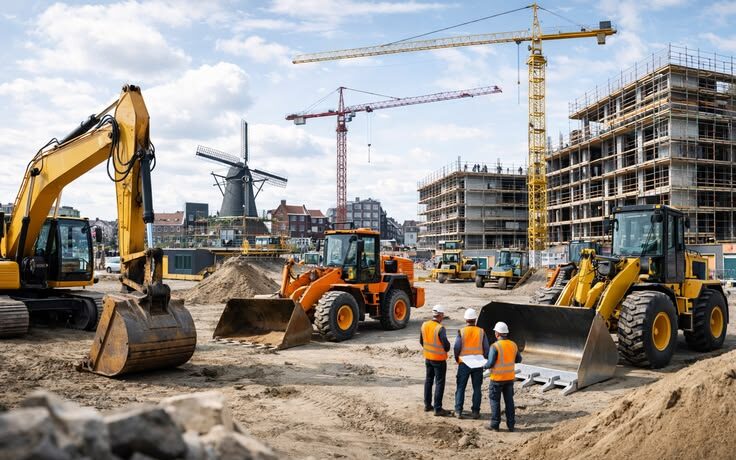
Construction machinery from https://sunstatepipelines.com.au/ comes in various forms, each designed for specific tasks. Excavators are one of the most versatile machines. With a long arm and bucket, they excel at digging trenches or demolishing structures.
Bulldozers are essential for moving earth and grading surfaces. Their powerful blades can push large amounts of material with ease.
Crane trucks play a crucial role in lifting heavy loads to significant heights. They facilitate the assembly of tall structures or transport materials across sites.
Concrete mixers ensure that concrete is mixed uniformly on-site, saving time and ensuring quality workmanship.
Compactors help achieve optimal soil density for foundations by flattening and compressing loose ground. Each type serves an essential function, contributing to the efficiency of construction projects.
Benefits of Hiring Construction Machinery
Hiring construction machinery offers flexibility that ownership simply can’t match. You can choose the exact equipment needed for each project, ensuring you have the right tools at your fingertips.
It also saves on storage space. Owning bulky machinery requires a dedicated area, which may not be feasible for smaller operations. Renting allows you to utilize what you need without worrying about maintenance or long-term commitment.
Another significant advantage is cost-effectiveness. Upfront expenses for purchasing heavy equipment can be daunting, particularly for small businesses. By hiring, you only pay when necessary and avoid additional costs like insurance and repairs.
Access to newer models is another perk of renting. Construction technology evolves rapidly; hiring allows companies to use cutting-edge machines without being tied down by depreciation or outdated gear.
It frees up capital that could be better invested elsewhere in your business—like expanding services or enhancing marketing efforts.
Factors to Consider Before Hiring
When considering hiring construction machinery, the first factor is your project’s specific needs. Different jobs require different equipment; ensure you choose machinery that suits the task at hand.
Next, think about the rental duration. Are you planning a short-term project or something more long-lasting? Some companies offer discounts for extended rentals.
Also, check the reliability of the rental company. Look for reviews and testimonials to gauge their service quality. A dependable provider can save you time and stress.
Don’t overlook insurance options either. Accidents happen, so it’s wise to understand what coverage is available in case of damage or theft.
Consider transport logistics. Will you need assistance with delivery and pickup? Understanding these details will help streamline your project timeline without unexpected delays.
Cost Comparison: Renting vs Buying
When it comes to construction machinery, one of the most critical decisions you’ll face is whether to rent or buy. Both options come with their own set of advantages and disadvantages.
Renting machinery can be a cost-effective solution for short-term projects. It allows you to access the latest equipment without a significant upfront investment. This flexibility can be especially beneficial if your needs change frequently or if you’re working on multiple diverse projects.
On the other hand, buying machinery might make sense for long-term use. If you have ongoing contracts that require specific equipment regularly, owning it can save money over time. Additionally, ownership gives you complete control over maintenance schedules and usage.
Understanding your project’s timeline and budget will help clarify which route is best for you. Always consider factors like storage costs, maintenance expenses, and potential resale value when weighing your options.
Whether you choose to rent or buy should align with your overall project goals and financial strategy. Take the time to assess what works best for your unique situation; this decision could significantly impact efficiency and profitability in the long run.