


Chiropractic care has emerged as a beacon of hope for many seeking relief from various musculoskeletal issues. With its focus on spinal health and alignment, it offers more than just temporary pain relief; it promotes holistic wellness. As we dive deeper into the world of chiropractic treatment, we’ll explore how this approach can play a crucial role in recovering from disc problems.
Disc issues are often misunderstood but affect countless individuals. Understanding these conditions and their impact on daily life is essential for effective recovery. Whether you’re experiencing persistent discomfort or simply want to learn more about maintaining spinal health, this blog will guide you through key aspects of chiropractic care tailored for disc-related challenges.
Ready to uncover the secrets behind healing your spine? Let’s embark on this journey together!
Understanding disc problems and their causes
herniated disc chiropractor clyde problems primarily affect the intervertebral discs in your spine. These discs act as cushions between vertebrae, absorbing shock and allowing flexibility. When they become damaged or degenerate, it can lead to pain and discomfort.
Several factors contribute to disc issues. Aging is a significant factor; over time, discs lose hydration and elasticity. This natural wear and tear can result in herniation or bulging.
Injuries from accidents or repetitive strain also play a role. Poor posture during daily activities may exacerbate these conditions. Lifestyle choices such as obesity can further increase stress on the spine.
Understanding these causes helps in recognizing risk factors early on, which may aid in prevention or prompt treatment when symptoms arise.
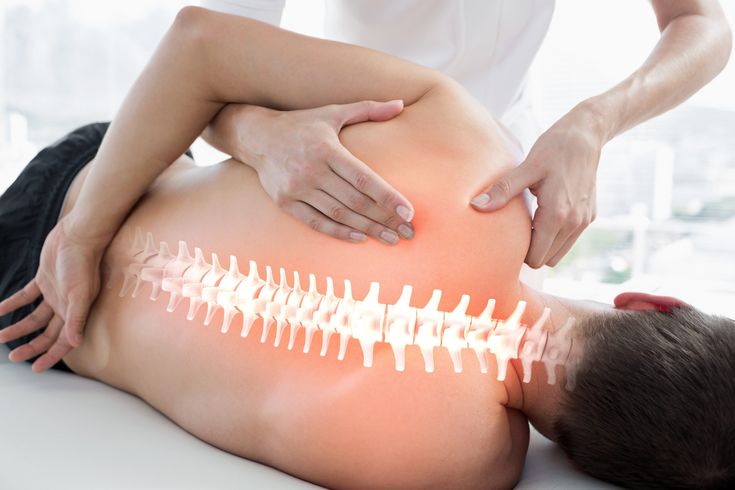
Common symptoms associated with disc problems
Disc problems can manifest through a variety of symptoms that often disrupt daily life. One of the most common signs is persistent back pain, which may range from dull and aching to sharp and stabbing.
You might also experience radiating pain. This occurs when nerve roots are affected, leading to sensations traveling down your legs or arms. For many, this discomfort can make even simple tasks feel overwhelming.
Another symptom is numbness or tingling in the extremities. This sensation indicates potential nerve compression related to disc issues.
Additionally, you may notice increased stiffness in your spine, especially after prolonged periods of sitting or standing. These feelings often improve with movement but can return quickly if activity ceases.
Weakness in certain muscle groups may also arise as a result of compromised nerves stemming from disc problems. Recognizing these symptoms early on is key for effective management and treatment options.
The role of exercise and stretching in recovering from disc issues
Exercise and stretching play a crucial role in recovering from disc issues. They help strengthen the muscles that support your spine, providing better stability. When these muscles are strong, they take pressure off the discs.
Gentle stretching increases flexibility and aids in restoring range of motion. This can alleviate stiffness and reduce pain over time. Simple exercises like pelvic tilts or gentle yoga poses can be particularly effective.
Consistency is key. Engaging in regular physical activity encourages blood flow to the affected area, promoting healing. It’s essential to listen to your body during this process; not all movements will feel comfortable at first.
Incorporating low-impact activities such as walking or swimming can also enhance recovery without putting extra strain on your back. Always consult with a healthcare professional before starting any new exercise regimen tailored specifically for disc problems.
Maintaining a healthy spine for long-term recovery
Maintaining a healthy spine is essential for long-term recovery from disc problems. Regular chiropractic care can play a significant role in this process. A chiropractor provides personalized treatment plans that address your specific needs, helping to restore proper alignment and function.
Incorporating good posture into your daily routine is crucial. Being mindful of how you sit, stand, and move can prevent unnecessary strain on your spine. Ergonomic furniture and supportive devices can further aid in maintaining spinal health.
Another vital aspect is staying active with low-impact exercises tailored to support spinal integrity. Activities like swimming or walking can enhance mobility without putting excessive pressure on the discs. Stretching regularly helps maintain flexibility and reduces tension around the spine.
Nutrition also matters when it comes to supporting spinal health. A balanced diet rich in vitamins and minerals fosters better healing processes within the body over time.
Always listen to your body’s signals during this journey toward recovery. Seeking professional guidance whenever needed ensures you stay on track toward optimal well-being for years to come.