

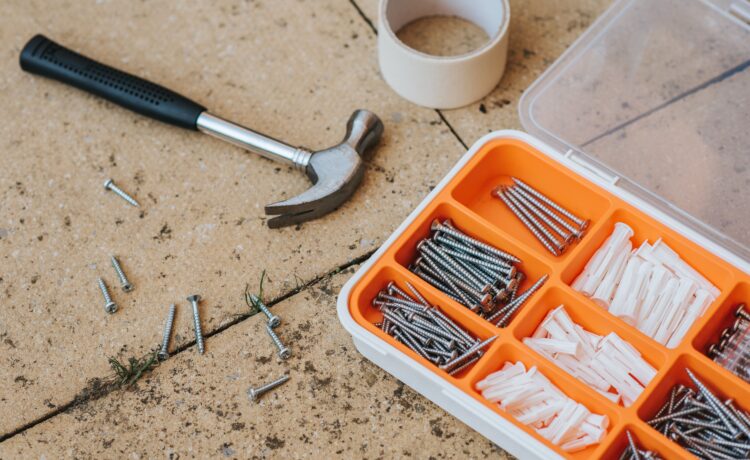
Every home requires occasional maintenance and repairs to keep it comfortable, functional and safe. From tightening loose door handles to fixing damaged fittings or assembling furniture, having access to suitable hardware products can make everyday tasks much easier. While some repairs require professional assistance, many smaller problems can be handled with basic tools and reliable materials. Choosing appropriate products, understanding their applications and keeping essential supplies organised can help homeowners manage common maintenance requirements more efficiently. With a little preparation, everyday repairs can become less stressful while helping prevent minor issues from developing into more expensive problems.
Finding Reliable Hardware Products for Everyday Home Repairs
Having access to dependable hardware products is important when dealing with common household maintenance tasks. Suppliers such as Keeler Hardware can be a useful starting point for homeowners looking for suitable products for different repair and improvement requirements. Whether replacing damaged fittings, installing new fixtures or securing loose components, selecting the correct materials can make a noticeable difference to the final result.
Quality should be a major consideration when purchasing hardware products. Items such as screws, nails, hinges, brackets and door handles should be suitable for their intended applications. Choosing durable materials can help reduce the likelihood of repeated repairs and provide better long-term performance. It is also worth checking measurements, product specifications and compatibility before purchasing replacement components. Taking a little time to identify the correct product can prevent unnecessary delays and make repair work more straightforward.
Keeping Essential Tools Ready for Common Household Maintenance
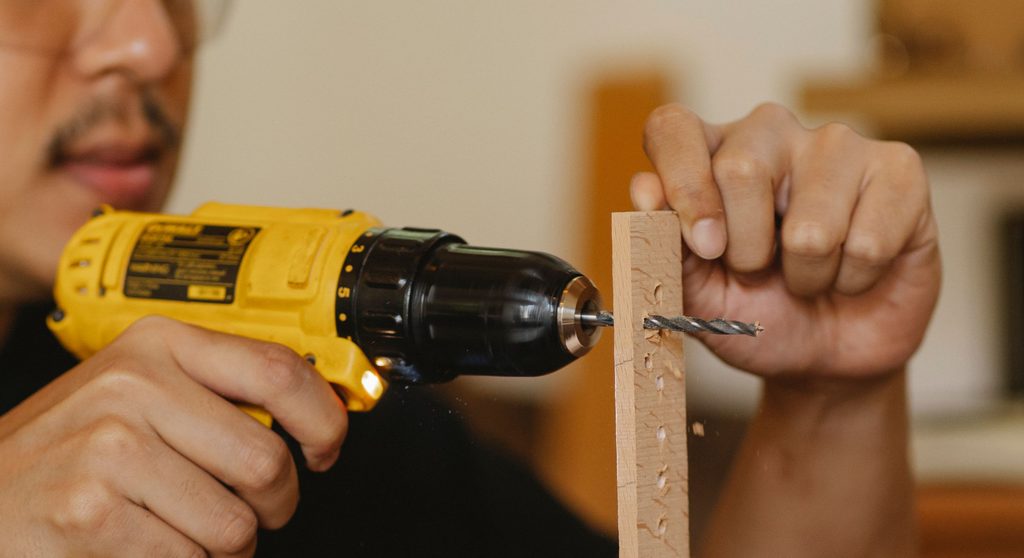
A basic collection of household tools can help homeowners handle many small repairs without needing to purchase additional equipment every time something goes wrong. Screwdrivers, adjustable spanners, pliers, hammers, measuring tapes and utility knives are useful for a variety of everyday tasks. These tools can assist with tightening fittings, assembling furniture, adjusting fixtures and completing minor maintenance around the property.
For more demanding repairs, power tools can provide additional convenience. Cordless drills are particularly useful for installing screws, creating holes and assembling different household items. Electric sanders can help prepare wooden surfaces, while suitable cutting tools make it easier to complete certain DIY projects. However, choosing equipment according to the type of work involved is important. Homeowners should also consider ease of use, durability and safety features when purchasing tools.
Keeping equipment clean and organised helps ensure that it remains ready for future use. Returning tools to their designated storage locations after completing a repair can also save time when another household issue needs attention.
Choosing the Right Materials for Different Repair Requirements
Different household repairs require different materials, making it important to understand which products are suitable for each application. For example, replacing a loose cabinet handle may require appropriate screws, while repairing a small gap around a fixture could involve a suitable sealant. Wooden surfaces may need adhesives, fillers or replacement timber, depending on the extent of the damage.
Environmental conditions should also influence purchasing decisions. Bathrooms, kitchens and outdoor spaces are regularly exposed to moisture, so materials designed to resist corrosion and water damage may be more appropriate in these areas. Stainless steel fittings, suitable sealants and moisture-resistant products can help improve durability when selected for the correct application.
Before beginning any repair, examine the damaged area carefully and identify the underlying problem. Simply replacing a visible component may not solve an issue if the surrounding material is also damaged. Using suitable products and following manufacturer instructions can help achieve a more reliable result. For structural, plumbing or electrical problems, professional assistance is recommended to ensure the work meets relevant safety requirements.
Improving Repair Efficiency Through Planning and Regular Maintenance
Planning ahead can make household repairs more manageable and reduce unnecessary spending. Keeping a small inventory of commonly used supplies, such as screws, nails, wall plugs, adhesives and replacement fittings, allows homeowners to address minor problems without making frequent shopping trips. Organising these items in labelled containers also makes it easier to identify the materials required for a particular task.
Regular inspections can help identify potential maintenance issues before they become more serious. Checking door hinges, cupboard fittings, taps, handles and outdoor fixtures can reveal signs of wear or damage. Addressing these problems early may reduce the need for more extensive repairs later. It is also useful to maintain a simple record of completed repairs and any replacement materials required for future maintenance.
Safety should remain a priority throughout the process. Wearing suitable protective equipment, using tools correctly and keeping work areas tidy can help reduce the risk of accidents. By combining reliable hardware products with proper planning, suitable tools and regular maintenance, homeowners can make everyday repairs easier while maintaining a more functional and comfortable living environment.
Add a stronger brand-focused conclusionReduce repeated hardware product wording