
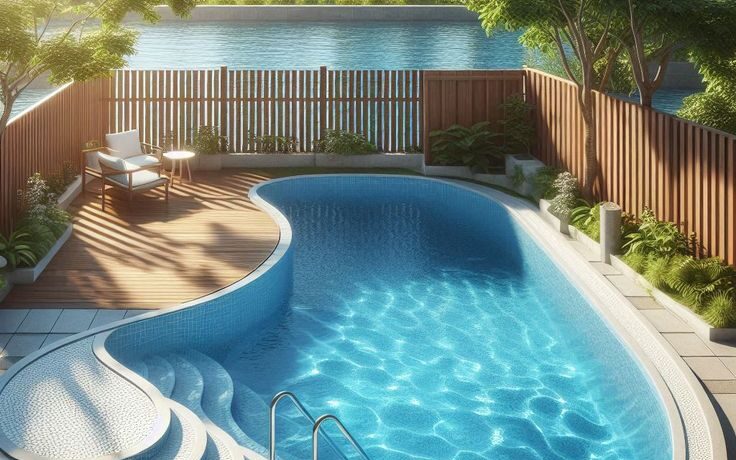
Imagine stepping into your backyard and being greeted by a stunning pool that feels like an oasis. This is not just a dream; it can be your reality with the right planning and design. A perfect pool transforms outdoor spaces, adding beauty and functionality while creating memories for years to come.
But what makes a pool truly perfect? It’s more than just digging a hole and filling it with water. A variety of factors come into play, from location to design elements, ensuring that every detail aligns with your vision. Whether you envision sleek modern lines or a natural lagoon-style retreat, understanding the process will help you navigate this exciting journey.
Are you ready to dive in? Let’s explore how to turn your concept of the ideal pool into completion!
Factors to Consider Before Building a Pool
Building a pool is an exciting venture, but careful consideration is key. Start by assessing your backyard’s size and layout. The available space will heavily influence the type of pool you can install. Gold Coast pool builders provide expert guidance and construction services to help you design the perfect pool for your space.
Next, think about local regulations. Many areas have specific codes regarding pool construction. Ensuring compliance can save you from future headaches.
Budgeting plays a crucial role too. Pools come with various costs beyond installation—maintenance, utilities, and accessories should also be factored in.
Consider how you plan to use your pool. Will it be for relaxation, exercise, or entertaining? Your intended use will guide design choices and features.
Climate matters significantly. In warmer regions, pools may see more year-round use compared to cooler areas where seasonal enjoyment is typical. Understanding these factors helps shape your perfect oasis.
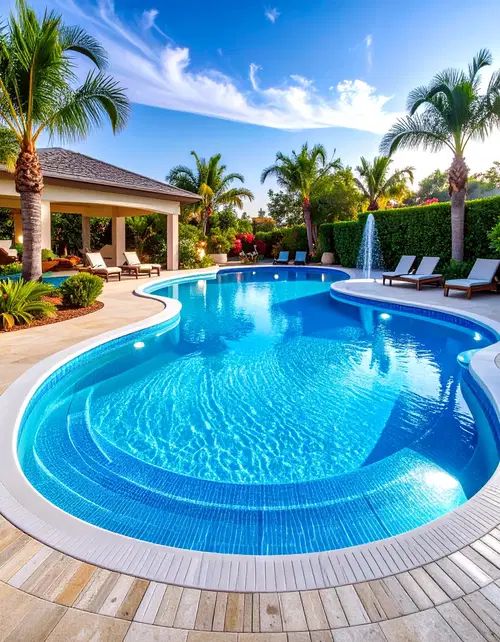
Design and Planning Process
The design and planning process for your pool is where creativity meets practicality. Begin by envisioning how the space will blend with your home and yard. Sketch ideas that reflect your style, whether modern, classic, or tropical.
Next, think about functionality. Will you host parties or simply enjoy a quiet swim? This influences size and shape choices.
Consider elements like lighting and landscaping as well. They can enhance the overall atmosphere of your pool area.
Collaborate with professionals who understand local regulations and site challenges. Their expertise can guide you through permits needed before construction starts.
Don’t forget to incorporate safety features in your plan too—fencing, covers, or alarms add peace of mind while maintaining aesthetics.
Each decision shapes the experience you’ll have for years to come, so take time to refine those initial sketches into something remarkable.
Types of Pools and Their Features
When it comes to pools, variety is the spice of life. Each type offers unique features tailored to different lifestyles and preferences.
In-ground pools are a classic choice. They can be customized in size, shape, and depth. Options like concrete or fiberglass add durability and aesthetic appeal.
Above-ground pools provide an affordable alternative. They’re easy to install and perfect for temporary setups. With various shapes available, they fit snugly into smaller spaces.
Infinity pools create breathtaking visual effects by blending seamlessly with the horizon. These stunning designs enhance outdoor areas while offering a luxurious feel.
Natural swimming ponds embrace eco-friendliness. They use plants instead of chemicals for filtration, creating a serene environment that attracts wildlife.
Plunge pools cater to those seeking relaxation rather than extensive swimming space. Compact yet inviting, they make great additions to patios or gardens.
Choosing the Right Materials
Choosing the right materials for your pool is a crucial step that can greatly influence its durability, aesthetic appeal, and maintenance needs. Start by considering the pool structure itself. Concrete pools offer versatility in shape and design but require more upkeep. Fiberglass pools are easier to maintain and come with smooth surfaces, while vinyl-lined options provide flexibility in terms of design.
Next, think about the coping and decking materials. Natural stone adds elegance but can be pricey. Pavers offer various colors and styles at a mid-range cost, while concrete is budget-friendly but may lack visual interest unless stamped or stained.
Also consider safety features like non-slip finishes to prevent accidents around the pool area. Choosing energy-efficient equipment will not only save you money on utilities but also make your pool eco-friendlier.
Selecting quality materials ensures longevity and enhances your outdoor space’s overall enjoyment. With thoughtful planning, you’ll create a perfect retreat that complements your lifestyle for years to come.