

When it comes to keeping your horse comfortable and protected outdoors, choosing the right rug is essential. A well-fitted horse rug not only shields from harsh weather but also enhances your horse’s overall well-being. With various options available in today’s market, navigating through them can feel overwhelming. Understanding the different types of rugs and their specific functions is crucial for making an informed choice. Let’s dive into the world of horse rugs and discover how to select one that suits your equine companion perfectly!
Types of Horse Rugs and their Functions
durable winter horse rugs for cold weather come in various types, each designed for specific purposes. Understanding these options helps you select the best fit for your horse.
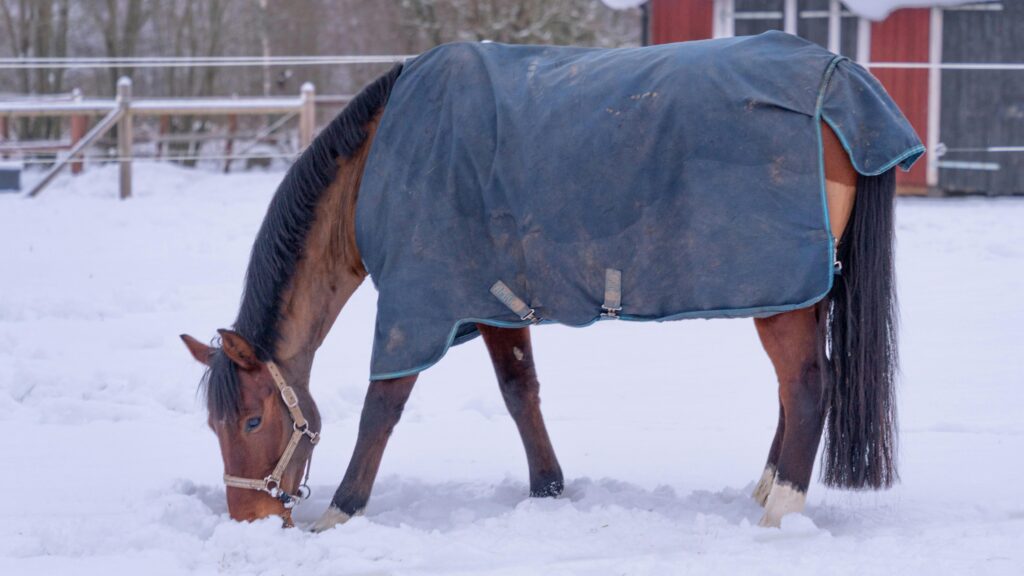
The turnout rug is ideal for wet or windy conditions. It typically features a waterproof outer layer and insulation to keep your horse cozy while facing the elements.
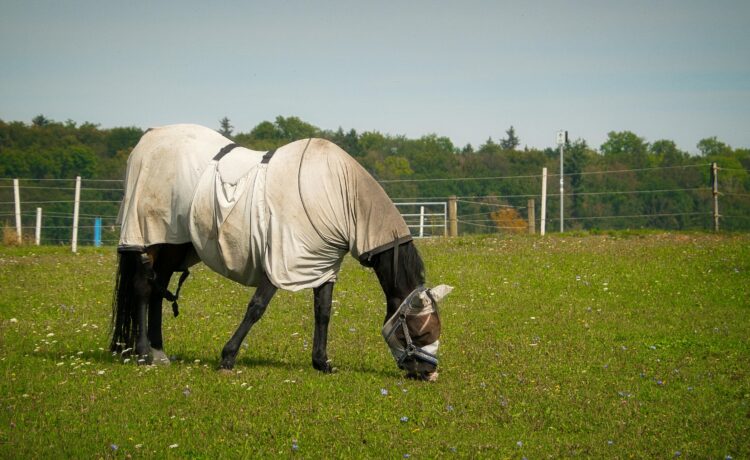
For warmer weather, consider lightweight summer sheets. These breathable covers protect against insects and sun damage without overheating your horse.
Stable rugs provide comfort indoors. They are often made from soft materials that offer warmth during chilly nights but lack the waterproof quality of turnout rugs.
A cool-down rug is essential after exercise or bathing. It absorbs moisture and aids in regulating body temperature, helping your horse recover effectively post-activity.
Each type serves its purpose—knowing how they function ensures that you choose wisely based on your horse’s needs and environment.
Factors to Consider When Choosing a Horse Rug
Choosing the right horse rug involves several key factors. First, consider your horse’s size and build. A proper fit ensures comfort and prevents chafing.
Next, evaluate the material used in the rug. Some fabrics provide waterproofing, while others offer breathability. Think about what climate conditions your horse will face.
Weight is another important aspect. Lighter rugs are ideal for warmer weather, while heavier options protect against cold winds and rain.
Don’t forget to check for features like adjustable straps or reflective elements for visibility. These can enhance safety during turnout time.
Take into account your budget but remember that quality often outweighs cost when it comes to protecting your equine friend effectively. Investing wisely leads to long-term benefits for both you and your horse.
Seasonal Considerations for Horse Rugs
Seasonal changes greatly impact the type of horse rug you choose. During winter, look for heavy-duty rugs that provide warmth and insulation. These should be waterproof to keep your horse dry in wet conditions.
As spring rolls in, consider lighter options. Breathable materials help regulate body temperature while protecting against rain showers and lingering chills.
Summer presents its own challenges with heat and pesky insects. Choose fly sheets or coolers made from UV-reflective fabrics to protect your horse from harmful sun rays and biting bugs.
When autumn arrives, it’s time to transition back to warmer rugs again as temperatures begin to dip. Ensure any rug has adequate moisture-wicking properties for those unpredictable fall days when the weather can shift rapidly.
Always assess your local climate patterns throughout the year. This will ensure your horse stays comfortable, no matter the season’s whims.
Common Mistakes to Avoid When Buying a Horse Rug
When it comes to buying a horse rug, there are several common mistakes that many horse owners make. Awareness of these pitfalls can save you time and money while ensuring your horse stays comfortable.
One frequent mistake is not measuring the horse properly. A rug that’s too small will be restrictive, while one that’s too large may slip around or chafe. Always take accurate measurements from the center of the chest to the tail for a proper fit.
Another error involves overlooking material quality. Cheaper rugs might seem like a good deal initially, but they often wear out quickly and don’t provide adequate protection against wind and rain. Investing in high-quality materials ensures durability and comfort for your equine friend.
Many people also forget to consider their horse’s specific needs based on breed, age, or health issues. For instance, senior horses or those with thin coats require heavier insulation during colder months compared to younger horses with thicker fur.
Additionally, some horse owners neglect seasonal changes when selecting rugs. A heavy winter blanket won’t be suitable in spring or fall when temperatures fluctuate significantly; having different weights available ensures optimal protection year-round.
Impulse buying without researching brands can lead to regret later on. Take time to read reviews and get recommendations from fellow equestrians before making your decision.
Avoiding these common mistakes will help you choose the right rug that meets both your needs and those of your beloved horse.