

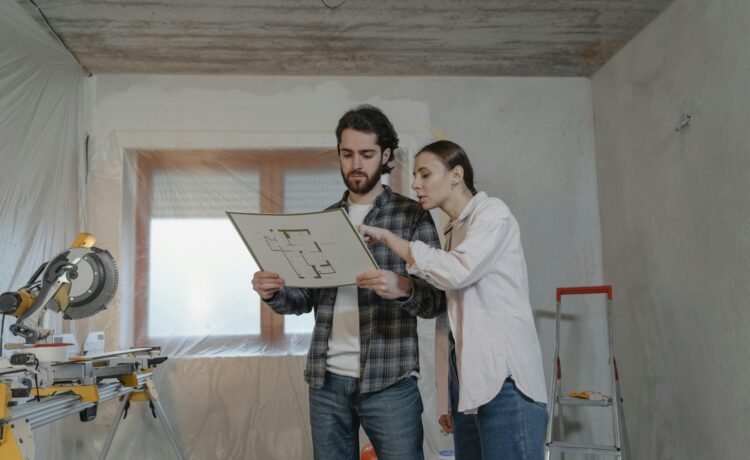
Home improvement projects can feel daunting. The thought of tearing down walls, choosing the perfect tiles, or installing a new sink may leave you feeling overwhelmed. But it doesn’t have to be that way! With the right planning and approach, you can turn your vision into reality without breaking a sweat.
Whether you’re refreshing your bathroom or enhancing other areas of your home, taking time to strategize is key. A well-thought-out plan not only streamlines the process but also helps in avoiding common pitfalls that lead to stress and frustration. Let’s dive into how you can create a smooth journey for your next home improvement adventure.
The importance of planning for a home and bathroom improvement project
Planning is the backbone of any successful home improvement project. Without a clear roadmap, you risk confusion and delays. Each decision becomes easier when you have a structured plan in place.
A well-thought-out plan helps identify your goals and priorities. Understanding what changes you want to make ensures that your vision stays on track throughout the process.
Additionally, planning allows for better resource allocation. From budgeting for materials to scheduling work hours, having everything mapped out reduces last-minute surprises.
When it comes to bathroom reno from xbaathrooms, specific considerations are crucial. Layouts must be functional while still reflecting personal style choices. By investing time upfront into your project’s planning phase, you’re setting yourself up for a more organized and enjoyable experience down the line.
Assessing your needs and setting a budget
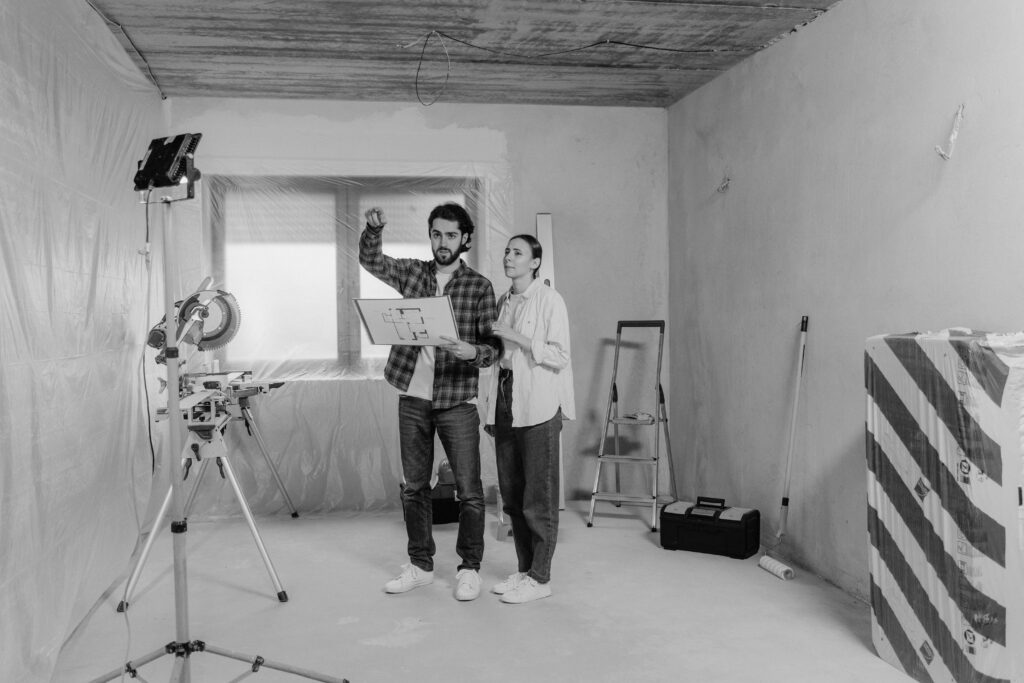
Before diving into any home or bathroom improvement project, it’s crucial to assess your needs. What are the main issues you want to address? Is it outdated fixtures, lack of storage, or perhaps a desire for more space? Understanding what you truly need helps prioritize tasks.
Next comes budgeting. Start by determining how much you’re willing to spend. Research typical costs for materials and labor in your area. This step prevents unpleasant surprises later on.
Consider setting aside an extra 10-20% of your budget for unexpected expenses that often pop up during renovations. Having this cushion can save you from stress down the line.
Document everything clearly and keep track of estimates from contractors if you’re not going the DIY route. Transparency will make the entire process smoother as decisions unfold throughout the project timeline.
Choosing the right contractor or DIY approach
When it comes to home and bathroom improvement, the choice between hiring a contractor or going the DIY route can be daunting. Each option has its own set of advantages.
Hiring a contractor brings expertise to the table. Professionals know how to navigate challenges that may arise during your project. They often have access to quality materials at better prices and can save you time in the long run.
On the other hand, tackling improvements yourself can be rewarding. It allows for complete creative control and can significantly cut costs if you’re handy with tools. Research is key—ensure you feel confident about your skills before diving in.
Consider your project’s complexity too. Simple tasks might suit a DIY approach, while extensive renovations could benefit from professional help. Weighing these factors will guide you toward making an informed decision tailored to your needs.
Creating a timeline and schedule for the project
A well-structured timeline is key to a smooth home improvement project. Start by defining the phases of your renovation. This could include planning, demolition, construction, and finishing touches.
Next, allocate time for each phase. Be realistic about how long tasks will take. Factor in potential delays like shipping issues or unexpected repairs.
Use tools like Gantt charts or simple calendars to visualize your schedule. This helps you keep track of progress and stay organized.
Don’t forget to communicate with everyone involved—contractors, suppliers, and family members. Regular check-ins can help ensure that everyone sticks to the plan.
Build in some flexibility. Home projects often have surprises lurking beneath the surface; being adaptable can save you stress down the line while keeping everything on track.
Adding personal touches and design elements
When it comes to home and bathroom improvement projects, personal touches make all the difference. These elements reflect your style and personality. They transform a space into one that feels uniquely yours.
Start by choosing colors that resonate with you. Whether it’s calming blues or vibrant yellows, color sets the mood for any room. Consider accent walls or bold tiles in your bathroom to create focal points.
Textures also play a crucial role. Mix materials like wood, stone, and glass for depth and interest. A wooden vanity paired with sleek ceramics can elevate your design dramatically.
Don’t forget about decor items! Art pieces, plants, or decorative mirrors add character without overwhelming the space. Thoughtful placement of these items can enhance both aesthetics and functionality.
Lighting is another key aspect of personalization. Layered lighting options provide flexibility while highlighting specific features in your rooms.
Infusing personal touches into your project ensures it’s not just beautiful but also feels like home—a sanctuary tailored precisely to meet your needs and preferences as well as those of anyone else who uses the space.