


Imagine walking into a healthcare facility and feeling instantly welcomed. You’re greeted not only by friendly smiles but also by genuine concern for your well-being. This is the essence of compassionate care—a vital aspect of healthcare that goes beyond just treating symptoms. It’s about connecting with patients on a deeper level, understanding their fears and hopes, and fostering an environment where healing can truly take place.
Compassionate care is more than a buzzword; it’s a philosophy that empowers both patients and providers alike. As we delve into this transformative approach to health, let’s explore how compassion shapes patient experiences, enhances recovery processes, and ultimately leads to healthier lives. Prepare to discover the profound impact of empathy in healthcare settings as we highlight real-world examples that demonstrate the power of caring connections.
Defining Compassionate Care
Compassionate care is rooted in understanding and connection. It’s about recognizing the person behind the patient. This approach transcends clinical treatment, delving into emotional support.
At its core, compassionate care involves active listening. Healthcare providers from disability support worker agencies melbourne take time to hear their patients’ stories, fears, and needs. This creates a safe space where individuals feel valued and respected.
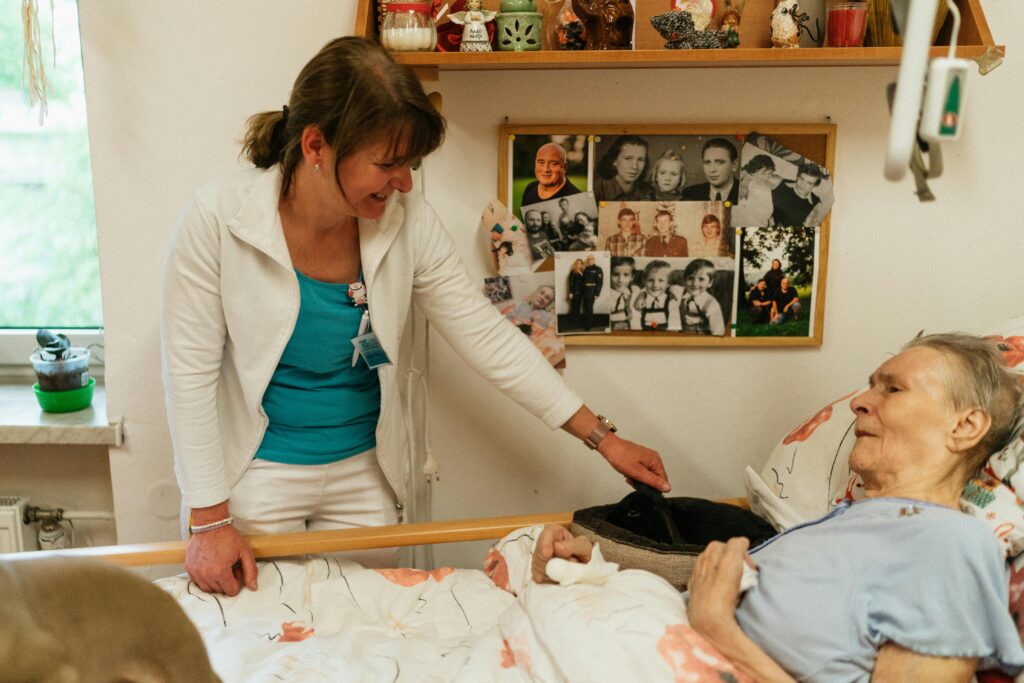
Additionally, compassion manifests through actions—small gestures that make a significant impact. A comforting touch or a reassuring word can help ease anxiety during difficult moments.
Furthermore, compassionate care encourages collaboration between patients and providers. When individuals feel empowered in their health decisions, they become active participants in their own recovery journeys.
This holistic approach fosters trust and builds lasting relationships within healthcare settings. Compassionate care cultivates an environment where healing flourishes not just physically but emotionally as well.
The Importance of Compassion in Healthcare
Compassion in healthcare transcends mere clinical skills. It fosters trust between patients and providers, creating a supportive environment where healing can truly begin.
When healthcare professionals approach their work with empathy, they not only address physical symptoms but also acknowledge emotional needs. This holistic view enhances patient experiences, making them feel valued and understood.
Research consistently shows that compassionate care leads to better health outcomes. Patients who feel cared for are more likely to adhere to treatment plans and openly communicate concerns.
Moreover, compassion reduces stress levels for both patients and practitioners. A kind gesture or understanding word can transform a daunting experience into one of hope.
In an era where technology often dominates interactions, maintaining the human touch is vital. Compassion reminds us that behind every diagnosis is a person deserving of respect and dignity.
Empowering Patients to Take Control of Their Health
Empowering patients is about more than just providing information. It’s about fostering a sense of ownership over one’s health journey. When individuals feel informed and involved, they become active participants in their care.
Education plays a key role here. By understanding their conditions, treatment options, and lifestyle choices, patients can make decisions that align with their values and needs. This knowledge boosts confidence.
Listening is equally important. Healthcare providers who take the time to hear patients’ concerns create an environment where trust flourishes. Patients are encouraged to voice questions or doubts without fear.
Support networks also contribute significantly to empowerment. Whether through family, friends, or support groups, shared experiences can motivate individuals toward healthier lifestyles.
In this collaborative approach, healthcare transforms from a top-down model into a partnership that uplifts both patient and provider alike.
The Role of Empathy in Compassionate Care
Empathy is the heartbeat of compassionate care. It allows healthcare providers to connect with patients on a deeper level. This connection fosters trust and understanding.
When practitioners actively listen, they open doors to meaningful conversations. Patients feel heard and valued, which can significantly impact their healing journey.
Empathic responses also enable caregivers to tailor treatments that align with individual needs. Recognizing emotions leads to more personalized care plans.
Moreover, empathy reduces anxiety for patients facing challenging diagnoses or treatments. A simple act of kindness—a warm smile or a gentle touch—can make all the difference in how someone feels about their situation.
Incorporating empathy into everyday interactions creates an environment where patients thrive emotionally and physically. It transforms standard medical encounters into nurturing experiences filled with hope and reassurance.
Examples of Compassionate Care in Action
Compassionate care is a powerful force in healthcare, transforming patient experiences and outcomes. It’s about more than just clinical skills; it’s an art that involves understanding and responding to the emotional needs of patients.
Consider a nurse who takes the time to listen to a patient’s concerns, offering reassurance and empathy. This simple act can significantly reduce anxiety during stressful moments.
In another scenario, a physician might go beyond medical jargon by breaking down complex information into relatable terms. By doing so, they empower their patients with knowledge, fostering trust and collaboration.
A great example can be found in hospice care settings where providers focus on comfort rather than cure. Here, compassionate care shines as caregivers attend not only to physical symptoms but also provide emotional support for both patients and their families.
Additionally, community health initiatives often demonstrate compassion through outreach programs that bring services directly to underserved populations. These efforts reflect an understanding of social determinants of health while building meaningful relationships within communities.
Each instance illustrates how compassionate care goes above and beyond traditional methods. It cultivates healing environments filled with dignity and respect for every individual involved in the healthcare journey.