

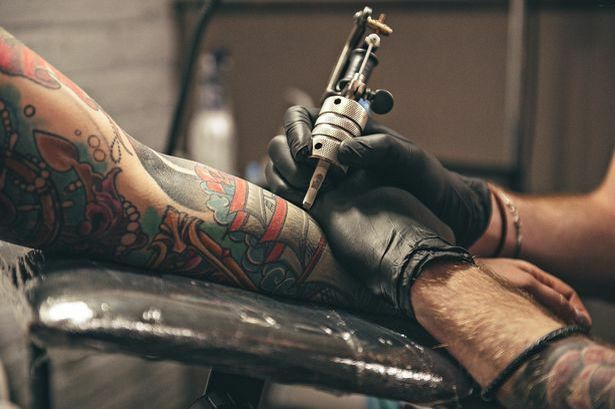
Tattoos are a form of self-expression, telling stories and marking significant moments in our lives. But what happens when that art no longer resonates? Tattoo removal is a growing trend for those seeking a fresh start or simply wanting to erase past decisions. However, not all tattoos are created equal, especially when it comes to the ink used.
The shades of ink play a crucial role in the tattoo removal process. Understanding how different colors affect this journey can make all the difference between an easy fade and a long battle with stubborn designs. If you’re considering tattoo removal or just curious about how it works, let’s delve into the fascinating world of ink shades and their impact on erasing your permanent artwork.
Understanding Ink Shades and How They Affect the Removal Process
how skin tone and ink colour impact tattoo removal results. The pigments used can determine how easily or effectively the tattoo fades away.
Dark colors like black and deep blues are generally easier to target. They absorb laser light efficiently, breaking apart more readily during treatment. This means fewer sessions and quicker results for those looking to remove dark tattoos.
On the other hand, lighter inks pose complications. Pastels and certain skin tones may not respond well to conventional lasers. Their pigments often require specialized wavelengths for effective treatment, leading to longer sessions or additional visits.
Even within similar shades, different brands can react unpredictably due to varying chemical compositions. Thus, understanding these nuances is vital for anyone considering tattoo removal options.
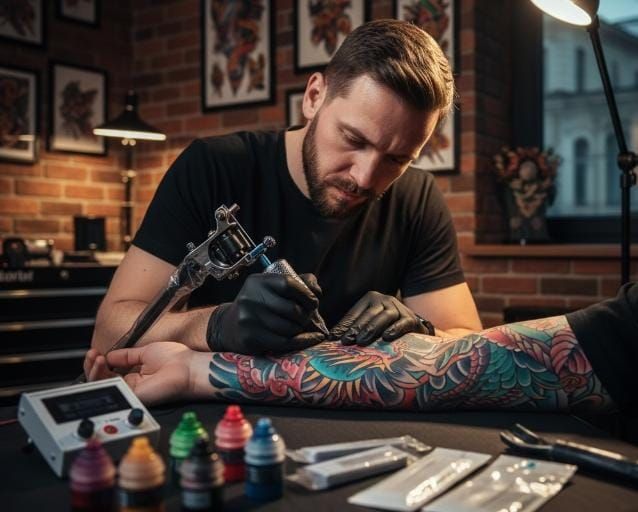
Dark vs Light Ink Which is Easier to Remove?
When it comes to tattoo removal, the color of the ink plays a significant role. Dark inks, such as black and deep blue, are generally more responsive to laser treatments. The high contrast against skin tones makes them easier for lasers to target.
On the other hand, lighter shades like pastel colors can pose a challenge. Their pigments often require specific wavelengths that may not penetrate as effectively. This means multiple sessions are usually necessary for complete removal.
Additionally, some ink formulations contain white or yellow hues that can fade rather than disappear entirely. Treatment options might vary too; while dark tattoos tend to fade quickly under laser light, lighter ones may resist even after numerous attempts.
Understanding these differences is crucial when considering tattoo removal options and setting realistic expectations about results and timeframes.
The Importance of a Skilled Tattoo Removal Specialist
Choosing the right tattoo removal specialist is crucial for a successful outcome. Their expertise can significantly influence how well and safely your tattoo is removed.
A skilled professional understands skin types, ink compositions, and the latest technologies available. This knowledge allows them to tailor treatments specifically to your needs. They know which techniques work best for different shades of ink.
Experience matters greatly in this field. An expert has likely dealt with various cases before, helping them anticipate challenges that may arise during the process.
Moreover, a qualified specialist prioritizes patient safety and comfort throughout the removal journey. They will provide thorough consultations and follow-up care to ensure optimal results.
Investing time in finding someone reputable pays off in both effectiveness and peace of mind during what can be an emotional experience. Your skin deserves careful attention from someone who knows their craft inside out.
Alternative Options for Removing Stubborn Tattoos
When it comes to stubborn tattoos that resist traditional removal methods, there are several alternative options worth exploring. One popular choice is tattoo fading creams. These topical treatments can help lighten the ink over time, making it easier for subsequent laser sessions to achieve clearer results.
Another option is saline tattoo removal. This method involves injecting a saline solution into the skin, which helps draw out the ink particles gradually. It’s less invasive and can be effective for certain colors and types of tattoos.
Some people also turn to dermabrasion or chemical peels as alternatives. These techniques essentially exfoliate the top layers of skin where the tattoo resides but may require downtime and come with risks like scarring.
For those seeking a more radical approach, surgical excision might be suitable if you’re dealing with a small design. This procedure removes the entire area of skin containing the tattoo but leaves behind stitches that will eventually heal.
No matter what route you choose, it’s essential to consult with professionals who specialize in these methods before proceeding. They can guide you toward the best solution based on your specific situation and skin type, ensuring safety and effectiveness throughout your journey toward an ink-free canvas.