

Imagine waking up in a home that not only reflects your style but also cares for the planet. This vision is becoming a reality as more people embrace sustainable living. Building a sustainable home means making choices that benefit both you and the environment. It’s about reducing energy consumption, minimizing waste, and optimizing resources.
With modern energy solutions at our fingertips, transforming ordinary spaces into eco-friendly havens has never been easier or more exciting. Whether you’re starting from scratch or looking to enhance your existing space, there are countless ways to create an environmentally responsible sanctuary that feels like home. Let’s explore how you can build a better future right where you live!
Benefits of a Sustainable Home
why australia must fast track efficient electric homes? A sustainable home offers a multitude of advantages that extend beyond mere aesthetics. First and foremost, energy efficiency translates to lower utility bills. Homeowners can save significantly over time.
Environmental impact is another key benefit. By reducing waste and conserving resources, you contribute positively to the planet’s health. Sustainable homes often feature eco-friendly materials that minimize carbon footprints.
Comfort plays a significant role as well. With better insulation and ventilation systems, these homes maintain consistent temperatures year-round. This leads to enhanced indoor air quality, making your living space healthier.
Moreover, property value tends to increase in sustainable neighborhoods. As more buyers seek eco-conscious options, investing in green technology becomes increasingly appealing.
There’s a sense of community among like-minded individuals who prioritize sustainability. The collective effort can foster connections that make living sustainably even more rewarding.
Incorporating Modern Energy Solutions into Your Home
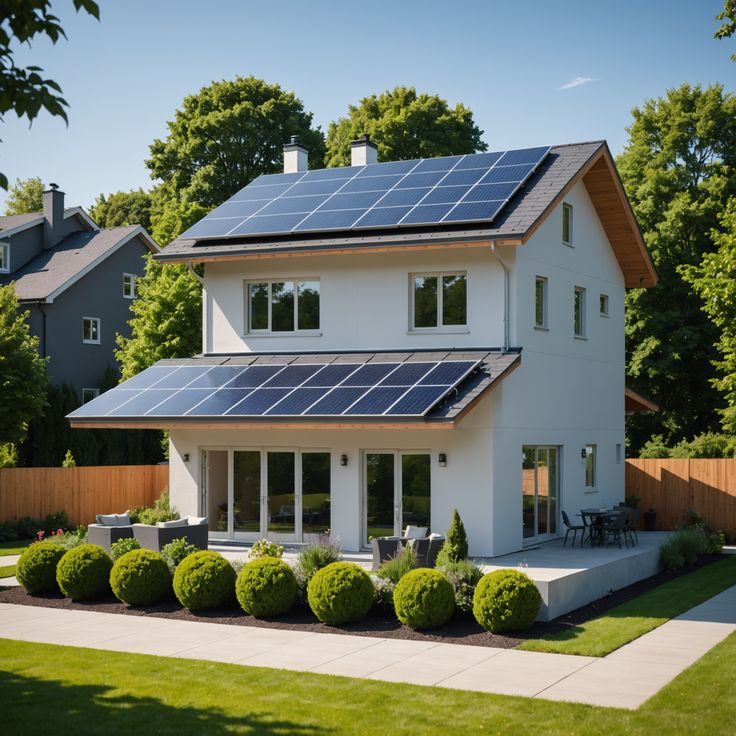
Integrating modern energy solutions into your home transforms not only its functionality but also its environmental impact. Start with solar panels, a popular choice for harnessing renewable energy directly from the sun. They can significantly reduce electricity bills while promoting sustainability.
Consider smart home technologies that optimize energy use. Smart thermostats learn your patterns and adjust heating or cooling accordingly, ensuring comfort without wasting power.
Another impactful solution is battery storage systems. These devices store excess energy generated by your solar panels for later use, especially during peak hours when rates are higher.
Geothermal heating and cooling systems utilize stable underground temperatures to regulate indoor climates efficiently. This method reduces dependence on fossil fuels and lowers overall emissions. Each of these solutions contributes positively to a greener future while enhancing the quality of life in your living space.
Energy-Efficient Appliances and Lighting
Energy-efficient appliances and lighting are game changers for any sustainable home. They not only reduce energy consumption but also cut down on utility bills. Choosing appliances with the ENERGY STAR label is a smart way to ensure you’re making eco-friendly choices.
Consider swapping out traditional bulbs for LED options. LEDs use up to 80% less energy and last significantly longer than incandescent bulbs. This means fewer replacements and less waste over time.
Moreover, smart technology can enhance your home’s efficiency further. Smart thermostats adjust heating and cooling based on usage patterns, optimizing comfort while saving energy.
Investing in these solutions contributes to a greener planet while promoting a modern lifestyle that values sustainability. The impact of small changes adds up quickly, creating a more responsible living environment without sacrificing convenience or style.
Rainwater Harvesting and Greywater Systems
Rainwater harvesting and greywater systems are innovative solutions that can significantly enhance the sustainability of your home. Rainwater harvesting involves collecting rain from roofs, gutters, and downspouts. This water can be stored in tanks for later use, such as irrigation or even indoor plumbing with proper filtration.
On the other hand, greywater systems recycle water from sinks, showers, and laundry. Instead of letting this water go to waste, you can redirect it to nourish your garden or flush toilets. Both methods reduce reliance on municipal water sources and lower utility bills.
Implementing these systems not only conserves precious resources but also promotes a more self-sufficient lifestyle. By taking advantage of natural rainfall and reusing household water, homeowners contribute positively to their environment while enjoying practical benefits at home.
Sustainable living is within reach when you embrace modern energy solutions like these. Transitioning towards a greener home doesn’t just create a healthier space; it cultivates a mindset focused on preserving our planet for future generations.