

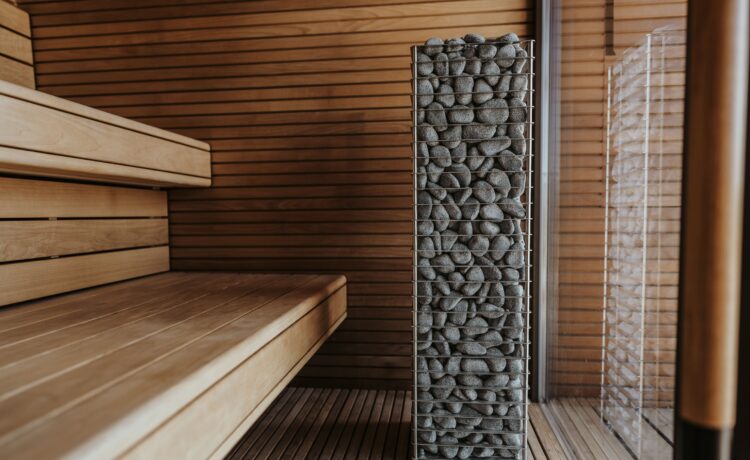
Selecting high-quality materials is essential when purchasing a sauna, as they directly influence durability, comfort, and overall performance. Popular wood choices include cedar, hemlock, aspen, and spruce, each offering unique characteristics in terms of appearance, aroma, heat resistance, and moisture management. Quality timber, smooth finishes, proper insulation, and durable fittings help create a comfortable environment while ensuring the sauna maintains its appearance and functionality over time.
The type of wood used inside a sauna also affects the overall atmosphere and user experience. Cedar is valued for its natural aroma and attractive grain, while hemlock offers a smooth, neutral appearance. Aspen is commonly preferred for benches because of its low resin content and comfortable surface. Buyers should also pay attention to the quality of wood treatment, construction joints, and finishing materials to ensure they can withstand repeated exposure to high temperatures.
In addition to the interior wood, the quality of structural components is equally important. Insulated walls, moisture-resistant construction, durable flooring, and properly fitted doors contribute to the sauna’s long-term performance. Choosing materials specifically designed for sauna environments helps reduce premature wear and supports a more comfortable and dependable wellness space.
Understanding Different Heating Systems
The heating system plays a major role in determining the sauna experience. Traditional electric saunas use heated stones to produce high temperatures and create the classic Finnish sauna atmosphere, while infrared saunas use specialised heating panels to warm the body at comparatively lower temperatures. Wood-burning saunas offer a traditional experience and are particularly suitable for outdoor installations. When comparing nordic saunas Australia options, understanding these heating methods can help homeowners choose a sauna that suits their preferred experience, installation space, and practical requirements.
Each heating system has different operating requirements, energy consumption levels, and installation considerations. Buyers should evaluate heater capacity, warm-up time, temperature control, and maintenance requirements before making a decision. Choosing the right heating technology ensures that the sauna delivers the desired level of comfort while remaining practical and efficient for regular use.
Traditional electric heaters are a popular choice for modern residential and commercial saunas because they offer convenient temperature adjustments and consistent heating. Many models include digital control panels, programmable timers, and specialized stone compartments that allow users to create steam by carefully adding water to suitable hot stones. Infrared systems, on the other hand, are often selected for their comparatively lower operating temperatures and straightforward installation requirements.
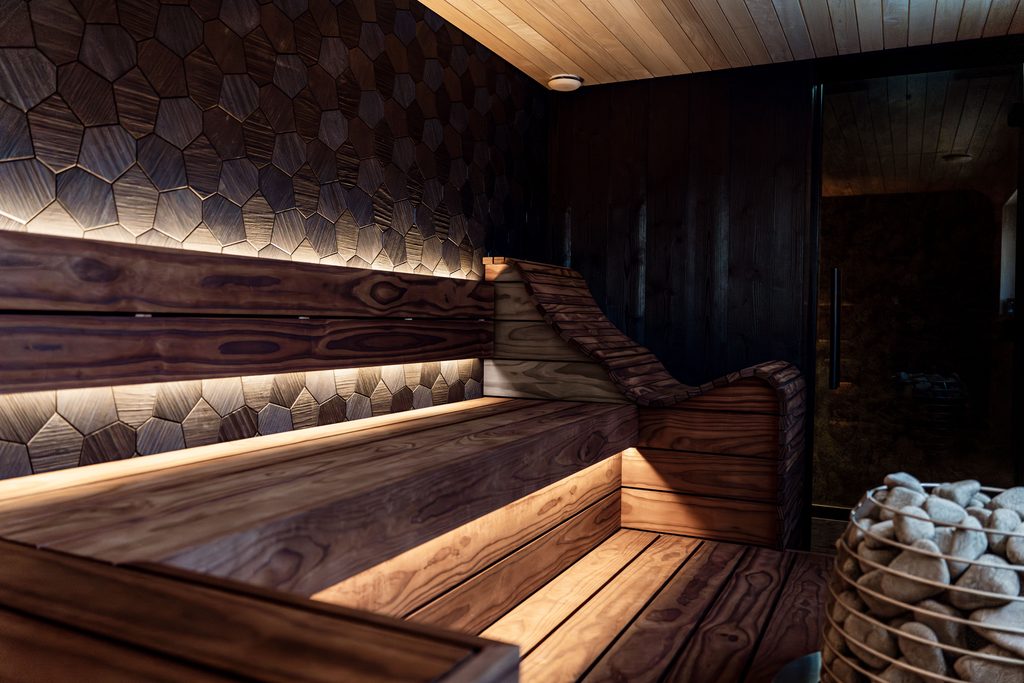
Exploring Sauna Designs and Layouts
Sauna design should combine visual appeal, functionality, and available space. Indoor saunas are ideal for bathrooms, home gyms, and dedicated wellness rooms, while outdoor models provide a relaxing retreat in gardens and open spaces. Contemporary designs often feature glass doors, natural wood interiors, comfortable benches, and elegant LED lighting. Buyers should consider seating arrangements, accessibility, dimensions, and ventilation to ensure the sauna provides a comfortable and practical experience.
The layout should also allow sufficient space for movement, comfortable seating, and convenient access to heating controls. Glass panels can create an open and spacious appearance, while carefully selected lighting adds warmth and enhances the overall atmosphere. Whether selecting a compact residential sauna or a spacious custom-built model, the design should complement the surrounding environment without compromising comfort or functionality.
Modern sauna designs offer a wide range of customization possibilities, including different bench configurations, ceiling heights, glass finishes, lighting arrangements, and exterior styles. Multi-level benches are commonly used in traditional saunas to provide different seating positions and temperature experiences. Ergonomic seating and carefully planned interior dimensions can further improve comfort, particularly when the sauna is intended for regular use by multiple people.
Evaluating Energy Efficiency and Safety Features
Energy efficiency and safety are important considerations when comparing sauna models. Proper insulation helps retain heat, maintain consistent temperatures, and reduce unnecessary energy consumption. The heater should be appropriately sized for the sauna’s internal volume, while effective ventilation supports adequate air circulation. Buyers should also examine electrical requirements, temperature controls, safety features, tempered glass, installation standards, and warranty coverage to ensure reliable and safe operation.
Additional attention should be given to electrical connections, heat-resistant components, door fittings, and emergency safety features. A professionally installed sauna with suitable ventilation and correctly configured heating equipment can provide a more dependable experience. It is also beneficial to check the availability of replacement parts and after-sales support to simplify maintenance and avoid unnecessary repair expenses in the future.
Another important factor is the energy rating and operating capacity of the heating system. An undersized heater may struggle to achieve the desired temperature, while an oversized system may increase installation and operating costs unnecessarily. Buyers should compare manufacturer specifications and ensure that the heating equipment is suitable for the sauna’s dimensions, insulation quality, and intended usage frequency.
Making an Informed Sauna Buying Decision
Before purchasing a sauna, it is important to compare materials, heating technologies, construction quality, and design features rather than focusing exclusively on appearance or initial cost. Consider the available installation space, preferred sauna experience, operating expenses, and long-term maintenance requirements. A well-selected sauna should offer durability, comfort, efficient performance, and an attractive design, making it a valuable addition to any residential or commercial wellness space.
Buyers should also consider the manufacturer’s reputation, product specifications, installation services, and warranty conditions before finalizing their purchase. Reviewing these details helps identify a sauna that meets both practical requirements and personal preferences. Comparing multiple models and requesting detailed information about construction materials, heater specifications, and included accessories can make the selection process more transparent.
Budget planning is another important part of the purchasing process. The initial price may not include delivery, electrical work, installation, ventilation modifications, or additional accessories. Buyers should consider these potential expenses alongside ongoing electricity consumption and routine maintenance. Understanding the complete investment helps prevent unexpected costs and makes it easier to compare products from different manufacturers.
For commercial wellness facilities, hotels, spas, and fitness centers, durability and operating capacity deserve additional attention. Commercial saunas generally require materials and heating systems suited to more frequent use, along with convenient cleaning and maintenance arrangements. Residential buyers may prioritize design, space efficiency, and personal comfort, whereas commercial buyers should also consider user capacity, operating schedules, and long-term service support.