
Horse riding is more than just a hobby; it’s a passion that connects you with these magnificent animals. Whether you’re a seasoned equestrian or just starting out, having the right equipment can make all the difference in your riding experience. Choosing gear tailored to your needs not only enhances comfort and safety but also boosts performance and enjoyment.
From saddles to boots, each piece of equipment serves its own purpose. With so many options available on the market today, navigating through them can feel overwhelming. But don’t worry this guide will help you break down everything you need to know about selecting horse riding gear that fits both you and your horse perfectly. Let’s saddle up and dive in!
Understanding the Different Types of Horse Riding Gear
Horse riding gear varies widely, tailored to different disciplines and rider preferences. Understanding these types is crucial for both safety and performance. Exploring horse riding equipment online can help riders find gear suited to their specific needs.
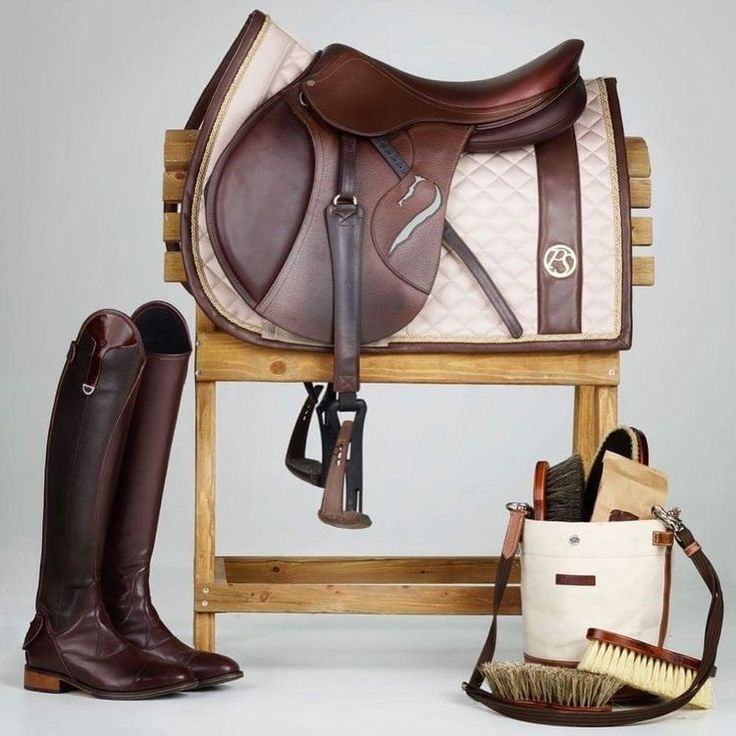
For English riding, you’ll often find saddles designed for jumping or dressage. Each type supports a unique position and movement style. Accessories like bridles also differ significantly; some are more suitable for discipline-specific needs.
Western riding emphasizes comfort and control. A Western saddle provides a secure seat with plenty of features like horn attachments. The tack used can include specialized bit designs that cater to the horse’s responsiveness.
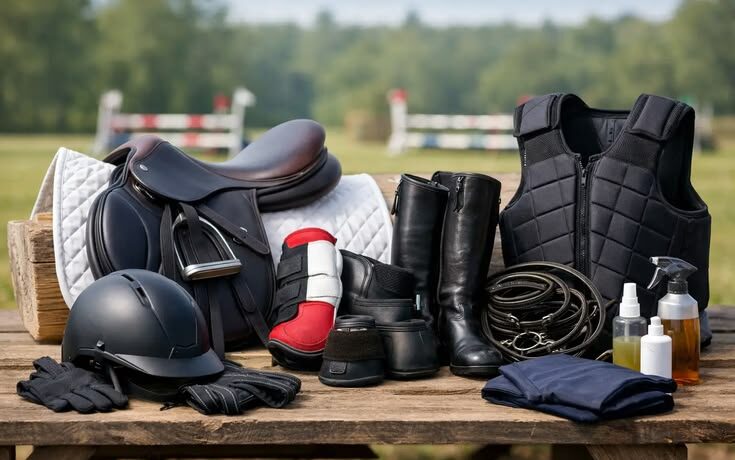
Don’t overlook protective equipment either. Riding helmets are essential regardless of your chosen style. Boots, chaps, and gloves enhance grip while keeping you safe from potential falls or injuries.
Understanding these distinctions helps you select gear that meets not only your needs but also those of your horse, ensuring an enjoyable experience in the saddle.
Factors to Consider When Choosing Equipment
Choosing the right horse riding equipment involves several key factors that can significantly affect your experience. First, consider the type of riding you’ll be doing. Different disciplines require specific gear tailored to their unique demands.
Next, think about safety features. Helmets are a must-have for any rider, but additional protective gear like vests and boots may also be necessary depending on your level of activity and comfort with risk.
Materials are another important aspect. Look for durable fabrics that withstand wear while offering breathability. Lightweight materials enhance comfort during longer rides.
Don’t forget to factor in climate conditions as well. Insulated clothing is vital for colder months, while moisture-wicking options keep you cool in warmer weather.
Personal preference plays a crucial role in choosing equipment that makes you feel confident and comfortable in the saddle.
Choosing the Right Size and Fit
Finding the right size and fit for your horse riding equipment is crucial. Ill-fitting gear can lead to discomfort or even accidents.
Start with your helmet. It should sit snugly on your head without feeling tight. Always measure around the widest part of your forehead before selecting a size.
Next, consider riding boots. They should be comfortable yet secure, allowing you to move freely while providing grip in the stirrups. Check that there’s enough room for thick socks if you’ll wear them.
When it comes to saddles, remember that both you and your horse need a proper fit. The saddle must align with their back shape while supporting you adequately during rides.
Don’t overlook breeches either; they should have just the right amount of stretch without being too loose or restrictive for optimal mobility in the saddle.
Budgeting for Horse Riding Equipment
When it comes to budgeting for horse riding equipment, it’s essential to establish a clear plan. Quality gear often comes at a higher price, but investing in the right items can improve your safety and comfort significantly.
Start by determining which pieces of equipment are indispensable for you based on your riding style and frequency. Prioritize essentials like helmets, saddles, and boots before considering extras such as specialized clothing or accessories.
Explore different brands and compare prices. Often, you can find great deals during sales or when shopping at local tack shops that offer used equipment in good condition. Don’t overlook online marketplaces where riders sell gently used gear; this can be an excellent way to save money while still getting quality products.
Consider setting aside a budget specifically for upgrading your gear over time rather than trying to purchase everything all at once. This approach allows you more flexibility and ensures that you’re not compromising on quality due to financial constraints.
Remember that well-maintained equipment lasts longer, so factor in costs associated with care and maintenance into your overall budget as well. With careful planning, you’ll be able to enjoy every ride without worrying about whether you’ve made the right choices financially.