

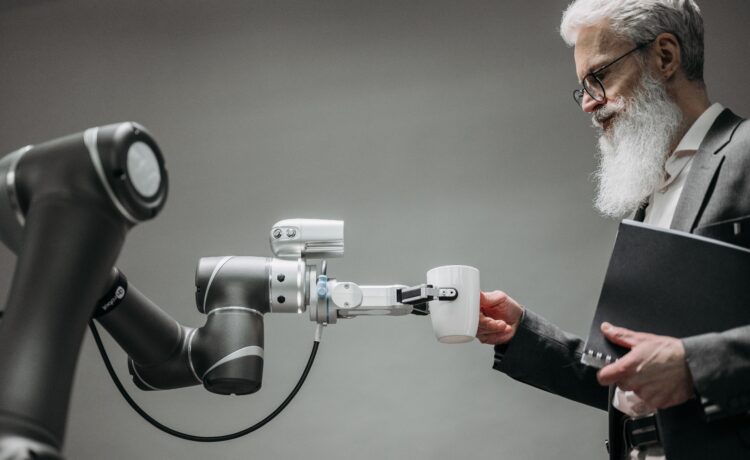
The digital landscape is changing rapidly, and businesses are at the forefront of this transformation. One of the most significant advancements shaping industries today is artificial intelligence (AI) automation. From streamlining processes to enhancing customer service, AI technology is redefining how companies operate.
Imagine a world where routine tasks are performed seamlessly by intelligent systems. This isn’t science fiction, it’s happening right now. Businesses across various sectors are embracing AI automation to boost efficiency and drive growth. But why exactly are they making these investments? Let’s dive into the inspiring stories behind this technological shift and explore what it means for today’s workforce and tomorrow’s economy.
Case Studies: How Companies are Using AI Automation
Companies across various sectors are embracing AI workforce automation, transforming their operations and enhancing efficiency.
Take Amazon, for instance. Their fulfillment centers utilize robotic systems to pick and pack orders swiftly. This not only speeds up delivery but also reduces human error in inventory management.
In the automotive industry, Tesla employs AI-powered robots on its production lines. These machines streamline assembly tasks while ensuring precision that human hands cannot match.
Another notable example is Starbucks. The coffee giant has integrated AI into customer service through chatbots that handle orders seamlessly. This allows baristas to focus on crafting beverages rather than managing transactions.
Even small businesses benefit from automation tools like ChatGPT, which can engage customers online 24/7, providing instant responses without needing constant oversight.
These case studies illustrate just a few ways organizations leverage AI technology to stay competitive in an evolving marketplace.

Challenges and Concerns with AI Automation
As businesses rush to adopt AI automation, they face a range of challenges. One major concern is the potential for job displacement. Workers fear that their roles may become obsolete as machines take over repetitive tasks.
Another challenge lies in data privacy and security. With AI systems relying heavily on data, companies must ensure that sensitive information is protected from breaches or misuse.
Ethical considerations also come into play. The decisions made by AI can be hard to trace back to human judgement, leading some to question accountability when things go wrong.
Moreover, integrating these advanced technologies into existing systems often proves complex and costly. Companies need skilled personnel who understand both the technology and its implications.
There’s the risk of bias in algorithms that could perpetuate inequalities if not carefully monitored and corrected. This leaves organizations grappling with how best to implement AI responsibly and effectively.
The Role of Human Workers in an Automated Business Environment
As AI automation continues to reshape industries, the role of human workers is evolving rather than disappearing. Employees are now expected to collaborate with intelligent systems, leveraging their creativity and emotional intelligence.
Humans bring critical thinking skills that machines currently lack. They can interpret nuanced situations and make decisions based on context something algorithms struggle with. This capability becomes invaluable in customer interactions where empathy matters most.
Moreover, humans play a key role in overseeing automated processes. They ensure quality control and troubleshoot issues as they arise, bridging the gap between technology and real-world applications.
Additionally, many tasks still require a personal touch that only people can provide. From brainstorming innovative solutions to building strong relationships with clients, the human element remains irreplaceable amidst advancing technologies.
In this dynamic landscape, upskilling will be essential for workers who want to thrive alongside automated systems. Embracing lifelong learning opens new doors for collaboration and innovation.
Predictions for the Future of AI Automation in the Business World
As we look ahead, the landscape of AI automation in business continues to evolve rapidly. Experts predict an acceleration in adoption across various sectors, driven by advancements in technology and increasing competition. Businesses that embrace AI are likely to gain a significant edge.
We can expect more sophisticated tools that integrate seamlessly into existing workflows. These innovations will not only enhance efficiency but also provide deeper insights through data analysis and predictive modeling. From customer service chatbots to intelligent supply chain management systems, the possibilities seem endless.
Moreover, as AI technologies become increasingly accessible, small and medium-sized enterprises will join large corporations in leveraging these capabilities. This democratization of technology could lead to new market entrants disrupting traditional industries.
Training programs focused on upskilling workers will play a crucial role too. Organizations may prioritize developing both technical skills for employees who manage AI tools and soft skills essential for collaboration with machines.
It’s clear that while challenges remain such as ethical considerations around job displacement the future is poised for innovative partnerships between humans and machines. As businesses navigate this transformative journey, those willing to adapt are likely to thrive in an ever-changing market landscape.