

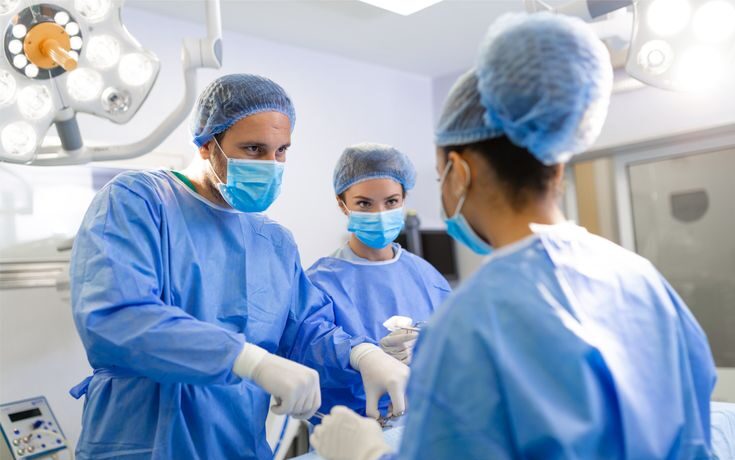
Surgery can seem daunting, but understanding the different surgical approaches can demystify the process. Whether you’re facing a procedure or simply curious about how surgeries are performed, knowing your options is crucial. From traditional methods that have been used for decades to modern techniques that minimize recovery time, each approach has its unique benefits and challenges. Let’s dive into the world of surgical techniques and explore what sets them apart. Understanding these differences empowers you to make informed decisions when it matters most.
Traditional Open Surgery
Traditional open surgery is one of the oldest surgical techniques. It involves making large incisions to access the area needing treatment. This method provides surgeons with a clear view and direct access to organs or tissues, including procedures related to weight loss surgery from MWLS.
During a traditional open procedure, various tools are used for cutting, suturing, and manipulating tissues. Surgeons can perform complex operations that may not be possible through smaller openings.
Recovery from open surgery often takes longer due to larger wounds. Patients might experience more pain and discomfort compared to minimally invasive options. However, this approach remains essential for specific cases where precision is critical.
Despite advances in technology leading to less invasive methods, traditional surgeries still hold an important place in modern medicine. They allow doctors to treat conditions effectively when other approaches may not suffice.
Laparoscopic Surgery
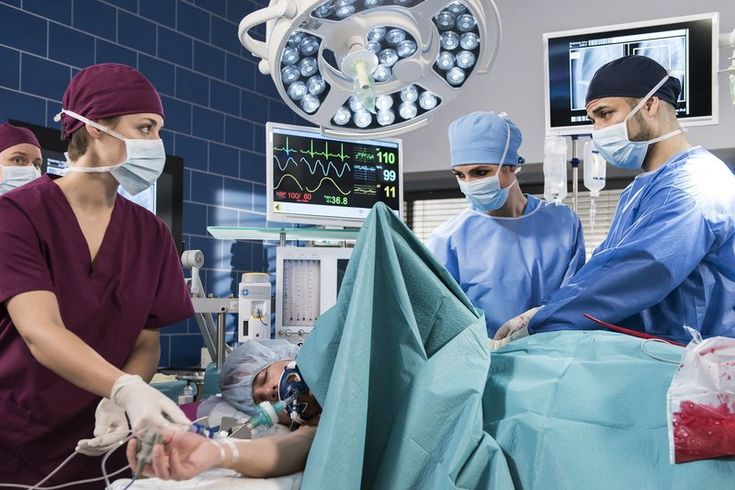
Laparoscopic surgery, often referred to as keyhole surgery, has revolutionized the way many procedures are performed. Surgeons use small incisions and a camera called a laparoscope to guide them during operations. This method allows for enhanced visibility and precision.
Patients appreciate the benefits of this approach. Recovery times tend to be shorter compared to traditional methods. The smaller cuts reduce pain and scarring significantly.
Laparoscopic techniques can be applied in various fields such as gallbladder removal or hernia repair. Each procedure is designed with patient comfort in mind while ensuring effective treatment outcomes.
As technology advances, so does the scope of laparoscopic surgery. Innovations continue to enhance safety and efficiency, making it an attractive option for both patients and medical professionals alike. The future looks promising for this minimally invasive technique.
Endoscopic Surgery
Endoscopic surgery has revolutionized the way we approach various medical conditions. This technique utilizes a flexible tube equipped with a camera and instruments, allowing surgeons to navigate through small openings in the body.
One of the major benefits is reduced recovery time. Patients often experience less pain and can return to their daily activities much sooner than with traditional methods.
Moreover, endoscopic procedures are typically performed under local anesthesia or sedation, which minimizes risks associated with general anesthesia.
The precision offered by endoscopy enhances surgical outcomes while significantly reducing scarring. Surgeons have better visibility inside the body, allowing for intricate maneuvers without large incisions.
Various applications include gastrointestinal surgeries and even certain orthopedic procedures. As technology advances, the scope of endoscopic surgery continues to expand, offering hope for minimally invasive solutions across numerous fields of medicine.
Minimally Invasive Surgery
Minimally invasive surgery has revolutionized the way procedures are performed. This approach focuses on reducing recovery time and minimizing trauma to the body. Surgeons use tiny incisions, which limits pain and scarring for patients.
With advances in technology, techniques have evolved significantly. Specialized instruments allow surgeons to navigate inside the body with precision. Whether it’s robotics or advanced imaging, these tools enhance accuracy during operations.
Patients often benefit from shorter hospital stays and quicker returns to daily activities. The reduced risk of complications adds another layer of appeal for those considering surgical options.
As this field progresses, more procedures become available through minimally invasive methods. It opens up new possibilities in treating various conditions effectively while prioritizing patient comfort and safety.