

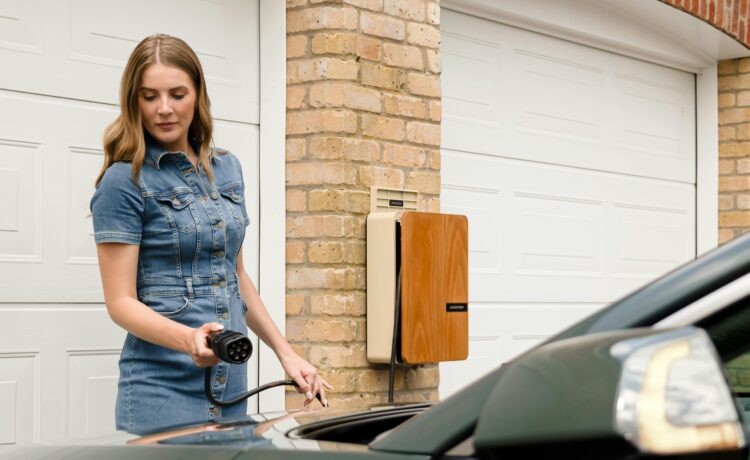
Electric vehicles (EVs) are rapidly becoming the future of transportation, and with that shift comes a need for effective charging solutions. Installing an EV charger at home can seem daunting, especially when it comes to budgeting for this new addition. But fear not! With some smart planning and understanding, you can navigate the costs without breaking the bank.
In this blog post, we’ll explore essential tips to help you budget effectively for your EV charging installation. Whether you’re a first-time buyer or just curious about how to optimize your investment, we’ve got insights that will empower you on your journey toward sustainable driving. Let’s dive in!
Understanding the Cost of EV Charging Installation
Installing an EV charger at home involves several components that contribute to the overall cost. First, there’s the price of the charging unit itself, which can range from a few hundred to several thousand dollars depending on its features and capabilities. These factors are important to consider when reviewing mcintosh electrical ev charger installation insights, as they help homeowners better understand and plan their installation budget.
Next, installation costs vary significantly based on your home’s electrical setup. If you need upgrades to your electrical panel or wiring, this will add to expenses. Labor costs also differ by region and contractor expertise.
Don’t forget about permits or inspections required in some areas; these can further influence your budget.
Consider potential tax credits or incentives available for EV infrastructure installations in many states. These can offset initial outlays substantially, making it crucial to research before starting any project.
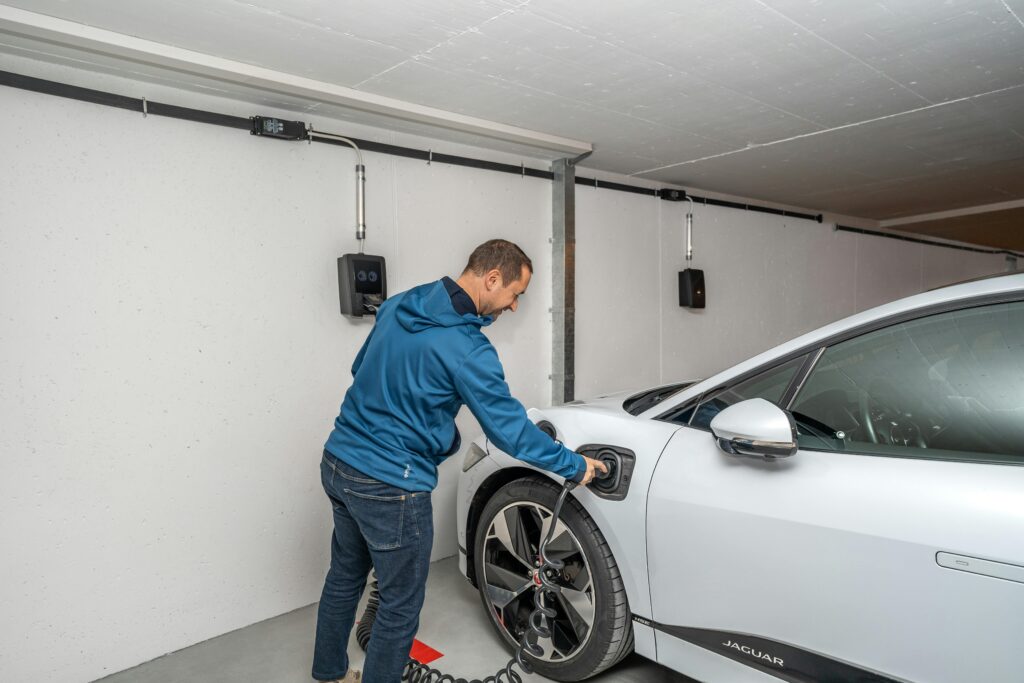
Factors to Consider Before Budgeting
Before diving into your budget, take a moment to evaluate the scope of your EV charging installation. The type of charger you choose plays a significant role in cost. Level 1 chargers are generally less expensive but charge slower than Level 2 options.
Consider installation requirements as well. Your home’s electrical system may need upgrades, which can add unexpected expenses. Inspecting your existing wiring and panel is crucial.
Location matters too. If you live in an area with high labor costs or strict regulations, those factors can inflate your overall budget significantly.
Also, think about potential incentives available in your region for electric vehicle infrastructure installations. Tax credits or rebates might ease some financial burden and improve affordability.
Don’t overlook ongoing maintenance costs that could arise over time after installation is complete. Budgeting should encompass more than just initial setup; it requires foresight into future expenses.
Exploring Different Options
When considering EV charging installation, a variety of options are available to suit different needs. Home chargers come in various styles, from Level 1 basic units to more advanced Level 2 models. Each has its own price point and installation requirements.
You might also explore the possibility of public charging stations. These can supplement your home setup and often offer fast charging capabilities. Many cities are expanding their networks, so it’s worth checking local resources.
Another option includes solar-powered chargers if you’re looking for an eco-friendly approach. This could significantly reduce energy costs over time while promoting sustainability.
Don’t forget about smart chargers that connect to mobile apps. They provide real-time data on usage and efficiency, helping you manage your energy consumption effectively. Comparing these alternatives allows you to find the perfect fit for your lifestyle and budgetary constraints.
Long-Term Cost Benefits of EV Charging Installation
Installing an EV charging station can seem like a hefty upfront investment. However, the long-term savings often outweigh initial costs.
Consider your electricity bills. Charging at home typically costs less than filling up a gas tank. You’ll likely see noticeable reductions in monthly expenses over time.
Additionally, many utility companies offer incentives or lower rates for electric vehicle owners. These programs can further enhance your savings potential.
There’s also maintenance to think about. Electric vehicles generally require less upkeep compared to traditional cars, which translates into fewer repairs and service visits.
As fuel prices fluctuate unpredictably, relying on home charging provides more consistent budgeting for transportation costs. The peace of mind that comes with knowing what you’ll spend each month is invaluable too!
How to Create a Realistic Budget
Creating a realistic budget for your EV charging installation is essential to ensuring you’re prepared for both the initial outlay and ongoing costs. Start by assessing your current electricity usage. This will give you a baseline of what to expect once you install an electric vehicle charger.
Next, gather quotes from multiple contractors. Prices can vary significantly based on labor rates and materials used. Be sure to ask about any hidden fees that may arise during installation.
Consider all necessary components in your budget: the charger itself, wiring upgrades, possible panel upgrades, permits, and labor costs. It’s also wise to set aside some funds for unexpected expenses or future maintenance needs.
Another important aspect is potential incentives or rebates offered by local governments or utilities for installing EV chargers. Research these options thoroughly as they can substantially lower your overall spending.
Include long-term savings in your calculations—think about reduced fuel costs compared to gasoline vehicles and any tax benefits associated with owning an electric vehicle. This holistic approach will help ensure that you create a comprehensive budget that meets both short-term expectations and long-term financial goals related to your EV charging installation.