

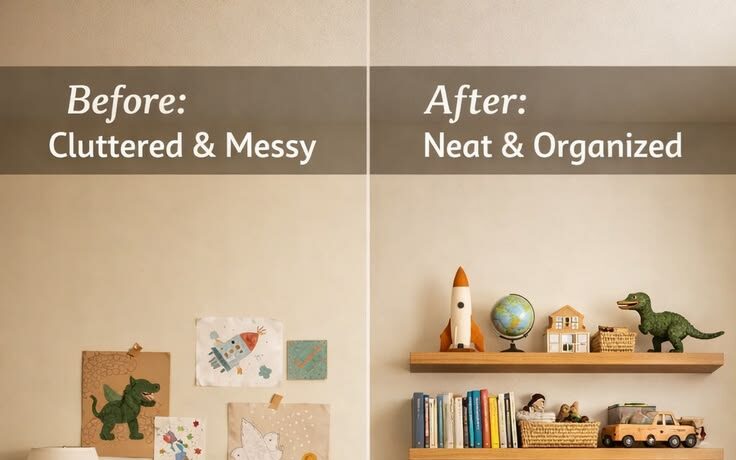
Keeping kids‘ belongings organised can feel like an uphill battle. Toys, clothes, and school supplies seem to multiply overnight. You may find yourself stepping over action figures or digging through piles of laundry just to locate a missing shoe. The chaos can quickly become overwhelming, leaving you wondering if there’s any hope for order.
But don’t lose heart! With the right strategies in place, you can transform your child’s space from a cluttered mess into an oasis of organisation. It starts with understanding their needs and implementing smart solutions that work for everyone involved. Let’s dive into some effective ways to help keep those precious items in check while teaching valuable life skills along the way.
Implementing a designated storage space for each child
Creating a designated storage space for each child can work wonders in maintaining order. It gives them ownership over their belongings. When children have a specific area, they’re more likely to respect it.
Start by choosing accessible bins,childrens name labels or shelves that match your home’s style. Bright colors can make the space inviting. Ensure each container is clearly defined for different types of items like toys, books, or craft supplies.
Involve your kids in the process. Let them pick their favorite storage options and decide what goes where. This engagement fosters responsibility and makes organizing feel less like a chore.
Regularly review these spaces together to see if adjustments are needed as interests change or new items come into play. This adaptability keeps things fresh and encourages ongoing organization habits without feeling overwhelming.
Labeling and categorizing items
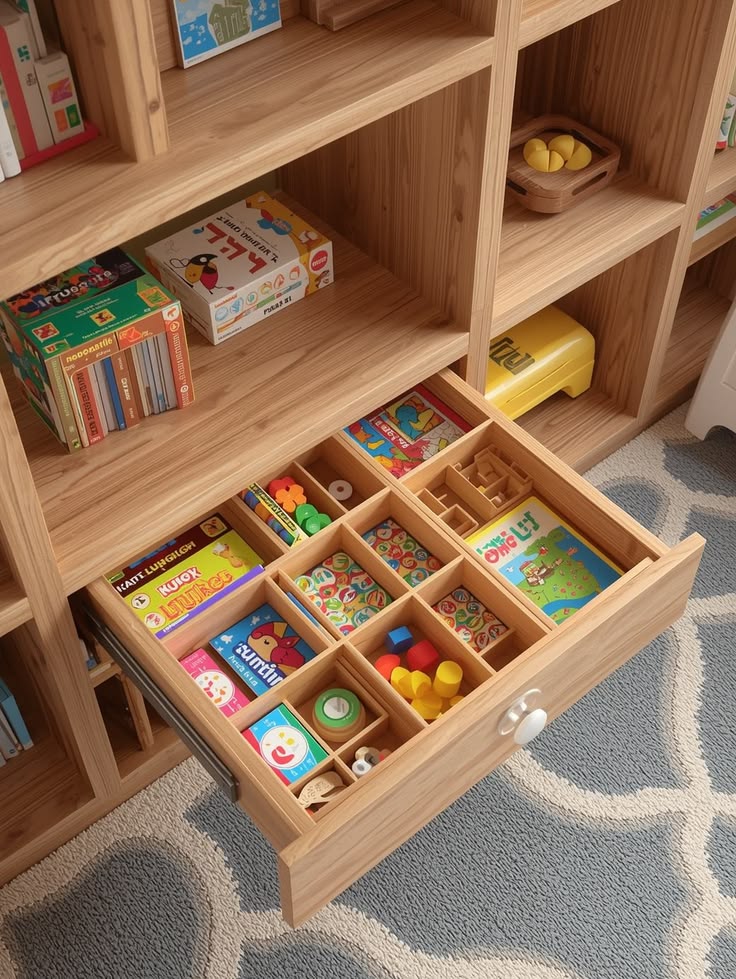
Labeling and categorizing items can transform chaos into order. It’s a simple yet powerful strategy that even kids can grasp.
Start by sorting belongings into categories. Toys, books, clothes—each group deserves its own space. This not only helps with organization but also teaches children the importance of knowing where things belong.
Next comes labeling. Use colorful stickers or tags to identify each category clearly. Consider involving your child in this process; they can choose colors or designs that resonate with them.
Once everything is labeled, it becomes easier for kids to find what they need and return items after use. The visual cues will serve as reminders too, reinforcing their responsibility toward their belongings without constant nagging from parents.
A well-organized space fosters independence and encourages a sense of ownership in young ones.
Encouraging kids to clean up after themselves
Creating a clean environment starts with instilling good habits in kids. Make cleaning up fun by turning it into a game. Set a timer and challenge them to pick up as many toys as possible before the buzzer goes off.
Use music to lighten the mood. Play their favorite songs while you tidy up together, making it feel less like a chore and more like an enjoyable activity.
Praise their efforts regularly, even if it’s just picking up one item. Positive reinforcement encourages them to take ownership of their space.
Lead by example; children often mimic adult behavior. Show them how satisfying it can be to have an organized space.
Transform this responsibility into teamwork rather than punishment. When they see that cleaning is part of family life, they’re more likely to embrace it willingly without fussing or complaining.
Establishing a routine for decluttering and organizing
Creating a routine for decluttering and organizing can make a significant difference in your home. It’s not just about cleaning; it’s about establishing habits that will last a lifetime.
Start small by setting aside just 10 to 15 minutes each day. Use this time to go through toys, clothes, or school supplies. Encourage your kids to participate actively during these sessions. Make it fun! Play some music or turn the task into a friendly competition—who can sort their items the fastest?
Consider having weekly check-ins where everyone reviews what they have kept and what might need to go. This promotes regular engagement with their belongings and reinforces the importance of organization.
As children grow, so do their interests and needs. Regularly reassess storage solutions as well; adapt them based on changing preferences or seasonal items like sports gear or winter clothing.
With consistent practice, these routines become second nature. Kids learn responsibility while parents enjoy tidier spaces without constant nagging or reminders.
Before long, you’ll find that keeping things organized becomes part of everyday life rather than an overwhelming chore. The benefits extend beyond mere aesthetics—they foster independence and self-discipline in children too!